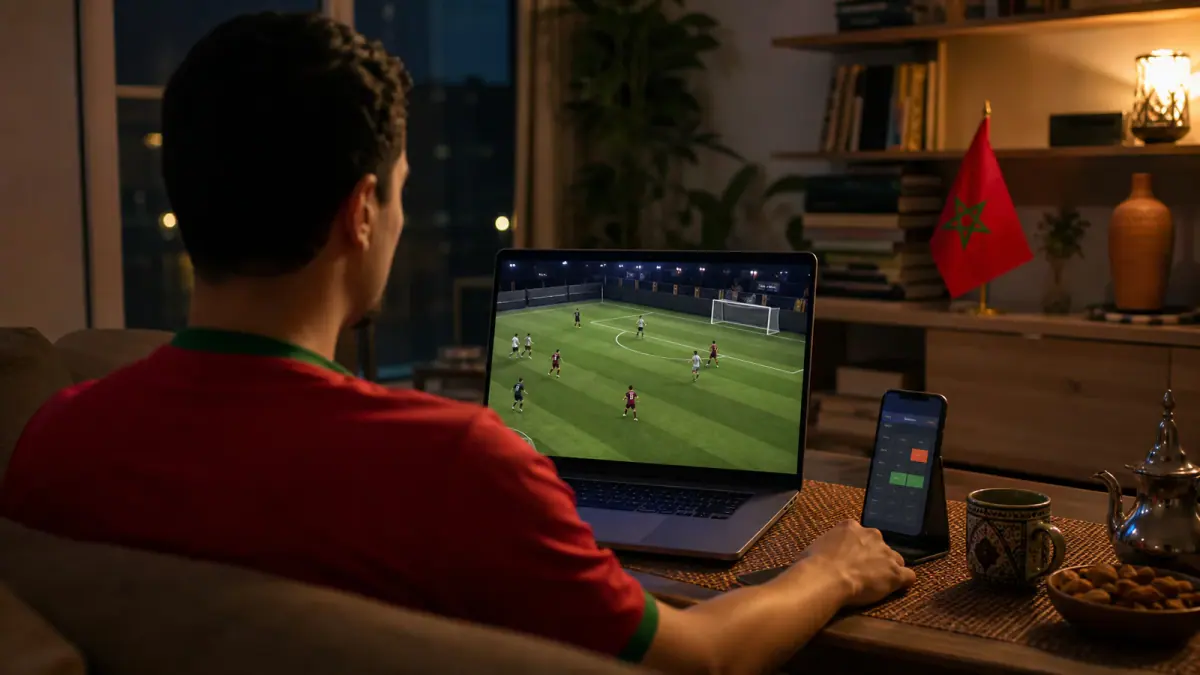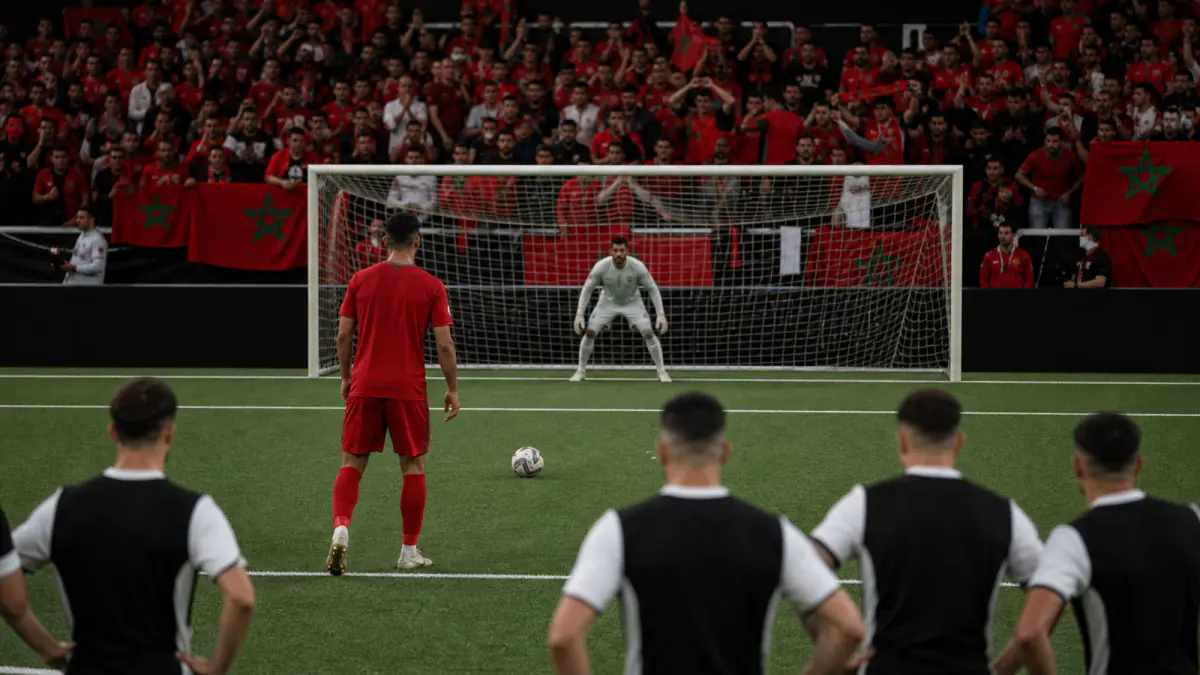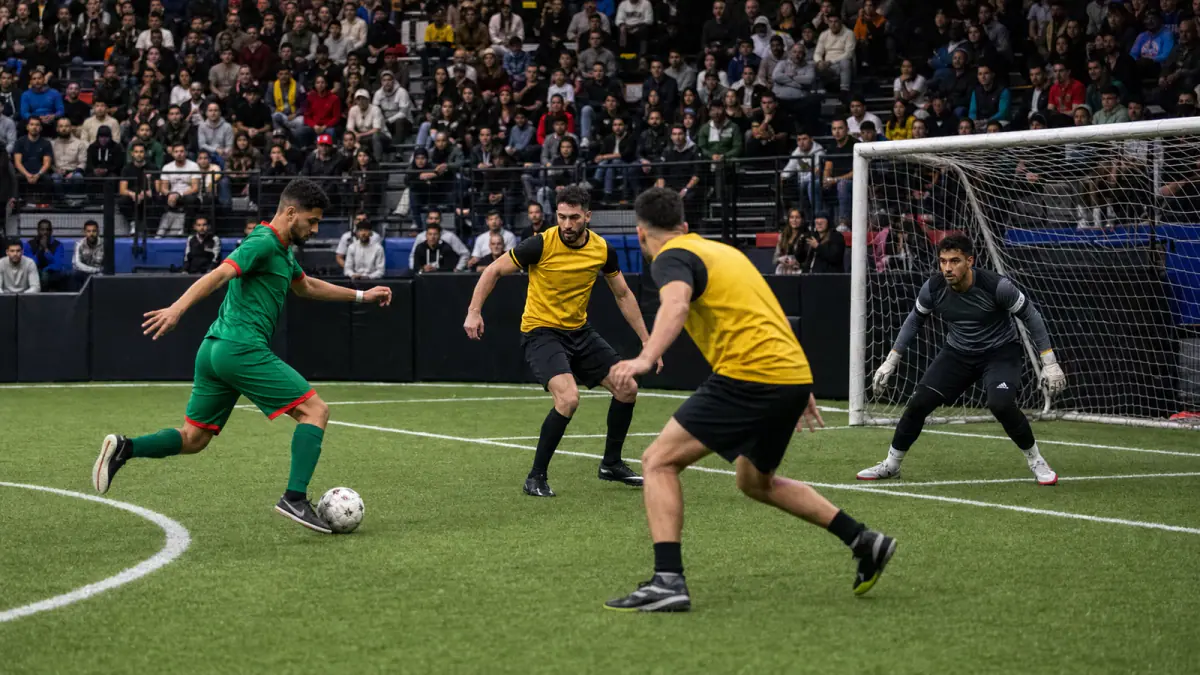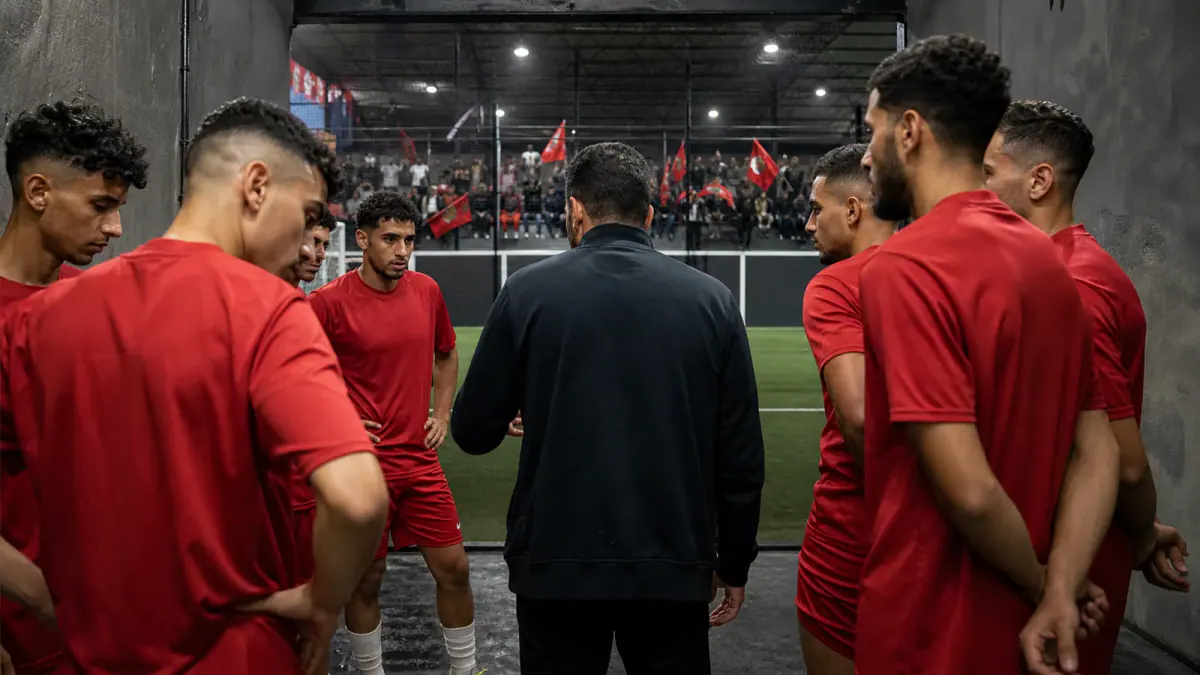
Ultra Chmicha and Ilyas El Maliki became one of the Moroccan stories people watched closely around the Kings League because the project mixed football, creator culture and national pride. It was never only about a result on the pitch. It was about how a Moroccan online audience gathered around a team identity and turned short-format football into a shared event. This guide separates El Maliki’s public role, the team’s verified record and later schedule information so readers do not confuse creator influence with coaching or treat a completed 2025 match as current.
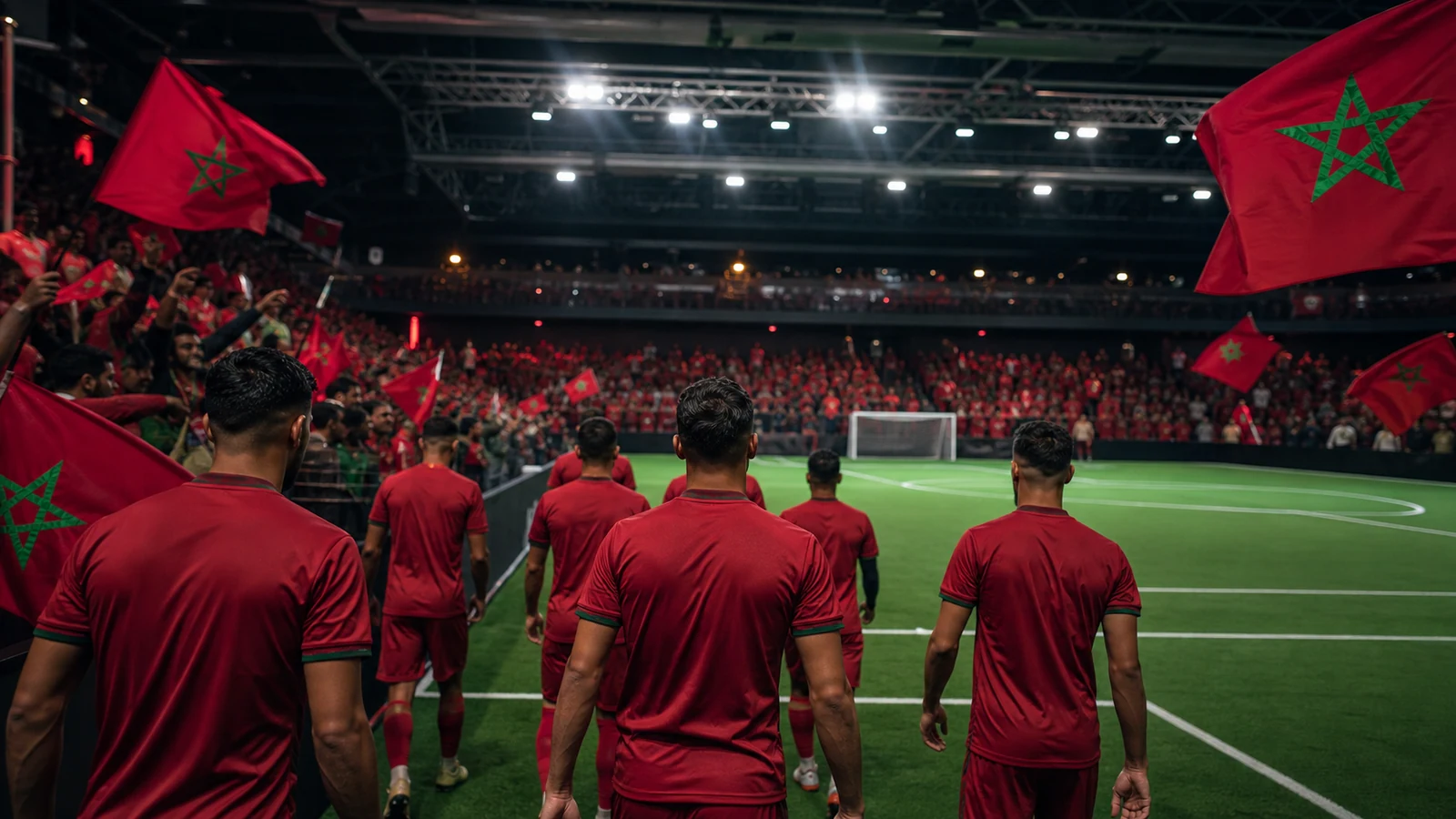
This article looks at the story with a clearer lens: what made the pairing interesting, why fans responded and what Moroccan creators can learn from the Kings League format.
Why Ultra Chmicha Caught Attention
Ultra Chmicha worked because the name felt local, memorable and easy to rally around. In a competition built for clips, reactions and fast emotional swings, identity matters almost as much as tactics. A team needs colors, a phrase, a tone and a reason for neutral viewers to care.
For Moroccan fans, Ultra Chmicha had that instant social-media shape. It sounded less like a corporate club and more like a fan movement designed for comments, watch parties and inside jokes.
Ilyas El Maliki’s Role
Ilyas El Maliki brought visibility, personality and a direct line to a young Moroccan audience. In the Kings League world, presidents and creators are part of the entertainment product. They frame the story, create pressure, celebrate loudly and keep the audience engaged between matches.
That role can be powerful, but it also brings responsibility. The best version of creator-led football turns hype into support for players, not noise that overwhelms the sport itself.
What Makes Kings League Different
The Kings League is built for attention spans shaped by streaming and social video. Matches are shorter, rules are designed for surprises and the broadcast treats personality as part of the show. For traditional football fans, that can feel strange. For younger viewers, it feels natural.
Ultra Chmicha fit that environment because Moroccan football culture is already expressive. Chants, debates, humor and loyalty travel quickly online.
Why Moroccan Fans Connected
The connection came from representation. Moroccan supporters are used to following major clubs and the national team, but creator-football gives fans another kind of participation. They can comment, remix, argue, share clips and feel like they are helping build momentum.
That digital energy is not a replacement for traditional football. It is a different stage where personality, community and national identity meet.
Lessons From the 2025 Moment
The biggest lesson is that attention must be organized. A creator-led team needs clear communication, respectful fan management, player focus and realistic expectations. Viral support can grow fast, but it can also turn impatient when results do not match the mood.
For Moroccan sports media, the Ultra Chmicha story shows that audiences want more than score updates. They want context, faces, behind-the-scenes meaning and honest explanations.
President, Coach and Players Have Different Roles
In Kings football, the president is a visible part of the product and can participate in special match moments, but that does not make the president the head coach or every sporting decision-maker. Ilyas El Maliki supplied public identity and audience connection. The official team record separately identifies coaching and squad roles.
That division helps readers avoid two common mistakes: treating Ultra Chmicha as a one-person team, or attributing every result to the creator attached to its name. The president can shape attention and emotion; preparation, selection and execution still involve a wider football staff.
How to Read the Official Team Page
The official Ultra Chmicha page can show more than one competition or season. Selectors and current statistics may change as the team enters later Kings events. For the Paris 2025 story, use the historical KWC Clubs record and the two dedicated recaps on this site:
Later results should not be used to rewrite those completed scorelines. Conversely, the early Paris defeats do not describe every later version of the roster.
Why the Project Had Lasting Search Interest
Ultra Chmicha combined three audiences that do not always overlap: Moroccan football supporters, followers of Ilyas El Maliki and viewers of the Kings format. A search for the team can therefore mean “who created it,” “what was the result,” “when is the next match” or “where can I watch.”
This page answers the identity question. The official streams and results guide handles current viewing intent, while the complete 2025 campaign page preserves the tournament history.
Final Take
Ultra Chmicha and Ilyas El Maliki mattered because they showed how Moroccan fan culture can move inside a new football format. The story is not just domination or hype. It is a case study in digital football identity, where a team can become a conversation before it becomes a trophy contender.
Official sources
Kings League documented Ultra Chmicha’s creation in its official wildcard announcement. The organizer’s Ultra Chmicha team page separates later team data from the 2025 club world tournament, and its rules explainer describes the format discussed here.