Rabat is Morocco’s capital and one of its easiest major cities for a first visit. Historic monuments, a compact medina, modern boulevards, museums, the Bouregreg River and the Atlantic coast sit close enough to combine without the intensity of Fes or Marrakech.
The city deserves more than a hurried station stop. One full day covers the headline sights; two days reveal why UNESCO recognizes Rabat as both a modern capital and a historic city. This guide handles the practical decisions: where to stay, how to arrive, how to move around and how Rabat fits into a longer Morocco route.
Quick answer: Spend two nights in Rabat if possible. Stay near Hassan or Rabat Ville for the easiest first visit, use the tram and occasional petit taxi for spread-out sights, give one day to Hassan Tower, the Udayas and medina, then use the second for Chellah, a museum, the modern city or the coast.
Rabat Trip Planning at a Glance
| Decision | Best starting choice |
|---|---|
| Minimum useful stay | 1 full day |
| More relaxed stay | 2 nights |
| Best central area | Hassan / near Rabat Ville |
| Best historic atmosphere | Medina or Udayas edge |
| Best modern neighborhood | Agdal |
| Main central rail station | Rabat Ville |
| Main airport | Rabat-Salé Airport |
| Car needed? | No |
| Best transport mix | Walking, tram and petit taxi |
| Strongest city quality | Historic-modern contrast with Atlantic space |
UNESCO’s Rabat World Heritage listing is the best explanation of the city’s identity. The protected ensemble includes not only older sites such as Hassan Mosque and the Almohad walls, but also the twentieth-century new town, gardens, administrative areas and residential districts.
Why Visit Rabat?
Rabat works especially well for travelers who want significant heritage without a relentless sightseeing rhythm. Major places are distributed through districts rather than packed into one visitor corridor, so the city has room to breathe.
Visit Rabat for:
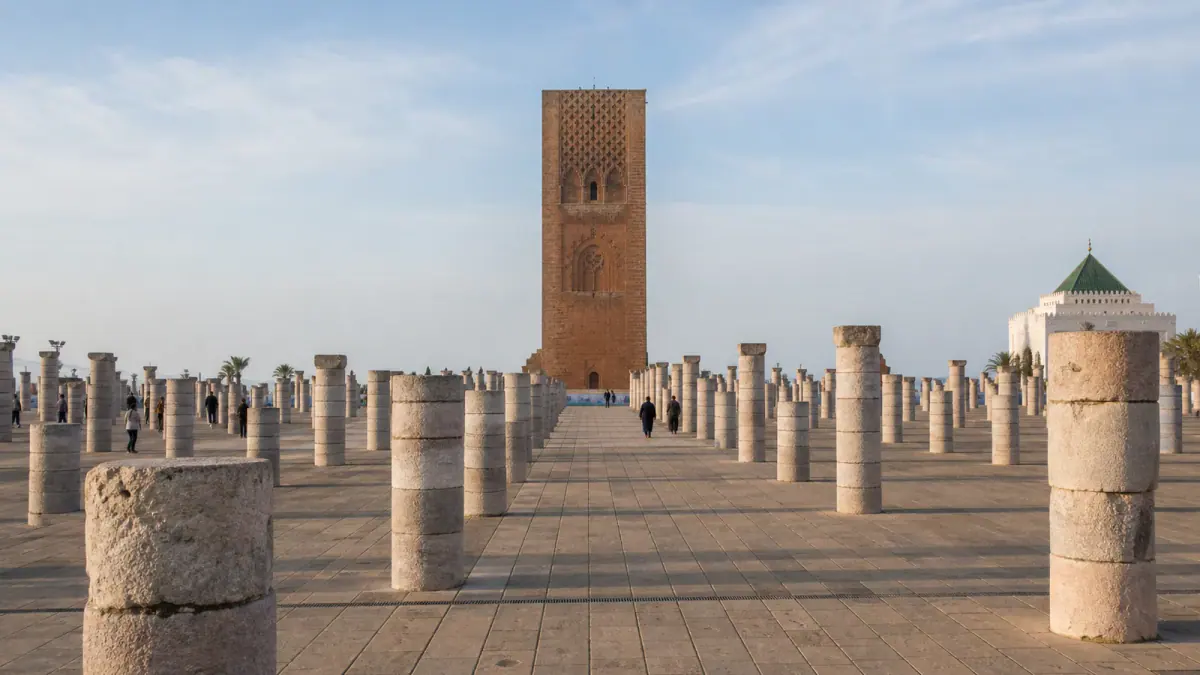
- Hassan Tower and the Mohammed V Mausoleum;
- the blue-and-white lanes of the Kasbah of the Udayas;
- Chellah’s archaeology, gardens and layered history;
- a manageable medina and Rue des Consuls;
- modern Moroccan art and twentieth-century urban design;
- the Bouregreg and Atlantic air;
- easy rail connections on a north–south itinerary.
It is also a useful first city in Morocco. The medina is relatively legible, the central tram reduces transport friction and the modern city gives newcomers time to adjust before denser destinations.
Rabat is not “a quieter Marrakech.” Its identity comes from being an administrative and royal capital, an Atlantic city and a historic-modern urban project. Comparing it only by what it lacks misses the point.
How Many Days Do You Need in Rabat?
One Full Day
One day is enough for Hassan Tower and the mausoleum, the Udayas, the medina and either Chellah or a modern-art museum. It works best when you begin early and use a taxi for one or two awkward gaps.
Our self-guided one-day Rabat itinerary gives the exact sequence, timings and Chellah-versus-museum choice. This page does not repeat that route in full.
Two Nights
Two nights is the best choice for most first visits. You can explore the historic core on the first full day, then give the second day to Chellah, museums, modern neighborhoods, Salé or the coast.
The extra night matters because Rabat is pleasant in the evening. A riverfront walk or unhurried dinner feels like part of the trip rather than time left over after a train.
Three Nights
Choose three nights when Rabat is a base rather than a stop:
- you want meaningful time in neighboring Salé;
- museums and contemporary culture are a priority;
- you plan a beach or garden day;
- you prefer slow mornings and long lunches;
- you need a low-intensity pause between busier cities.
Do not use every additional day for long excursions. Rabat itself has enough layers to justify the time.
Where to Stay in Rabat
Rabat is easier when your hotel matches the type of trip. A cheap room far from the tram or central sights may cost more in time than it saves in money.
Hassan and the Rabat Ville Area
This is the most practical base for a first visit. Rabat Ville station, tram stops, central avenues, cafes, the museum district and access toward Hassan Tower are all convenient.
Choose Hassan if you:
- arrive and leave by train;
- want modern hotels and straightforward taxi pickup;
- have one or two nights;
- prefer walking on broad central streets;
- need an easy departure morning.
The area feels urban and administrative rather than romantic. That is useful, not a flaw. You can reach the medina and Udayas for atmosphere while returning to simple logistics.
Inside or Beside the Medina
A medina riad provides courtyard character and easy access to souks, Rue des Consuls and the Udayas. Rabat’s medina is less labyrinthine than Fes, but vehicle access still stops outside many lanes.
Before booking, ask:
- What is the closest taxi drop-off?
- How far is the walk with luggage?
- Are rooms reached by steep stairs?
- Is the lane comfortable after dark?
- Does the property arrange an arrival escort?
The medina suits travelers who value atmosphere over elevators and large hotel facilities.
Udayas Edge and Bouregreg Side
Staying near the Udayas or river gives quick access to Rabat’s most scenic historic area. It can be beautiful at the beginning and end of the day.
Inventory is more limited, and an appealing map pin may involve slopes or indirect vehicle access. Confirm the entrance route rather than assuming waterfront proximity means a flat walk.
This area is best for a second visit, a romantic short stay or travelers who have already solved their station transfer.
Agdal
Agdal is a modern, lively district with cafes, restaurants, shops, tram access and a strong local rhythm. It suits longer stays, business trips, remote work and travelers who prefer contemporary apartments or hotels.
You will commute to the historic sights, but the tram makes that reasonable. Agdal also offers a broader dining choice after the old city becomes quiet.
Hay Riad
Hay Riad is spacious, modern and useful for business, embassies and newer hotels. It is not the best base for a short heritage trip because the main visitor sights are farther away.
Choose it when your work, event or accommodation specifically belongs there. Otherwise, Hassan or Agdal usually reduces travel time.
Riad, Apartment or Hotel?
Choose a riad for traditional architecture and personal hosting. Choose a hotel for elevators, vehicle access, consistent facilities and easier late arrival. Choose an apartment for longer stays only when check-in, building access and local registration requirements are clear.
Read recent reviews for repeated practical facts:
- street noise;
- heating during damp winter weather;
- air conditioning in summer;
- lift availability;
- breakfast timing;
- taxi access;
- staff response after late flights.
Rabat’s Atlantic climate can make a room feel cooler and damper than an inland traveler expects. A beautiful tiled floor is not a substitute for heating in January.
How to Get to Rabat
By Train
Rail is the easiest arrival from Casablanca, Tangier, Kenitra, Meknes and Fes. Rabat has more than one major station, so check the name printed on the ticket.
- Rabat Ville is best for Hassan, the medina, central museums and a short first visit.
- Rabat Agdal is useful for Agdal, southern districts and some train connections.
Use ONCF Voyages for the current date. Schedules can change during holidays and Ramadan, and search snippets may display an old departure.
If connecting from Casablanca Mohammed V Airport, verify the complete train sequence and last service before flying. A hotel night near the arrival airport can be wiser than a tight late-evening connection.
By Plane
Rabat-Salé Airport serves the capital region. The official ONDA Rabat-Salé Airport page lists taxi and bus services, flight information and passenger facilities.
Ask your accommodation for the best current transfer before arrival. Public options, stops and fares can change. For a late flight, a pre-arranged transfer removes uncertainty and ensures the driver has the exact hotel entrance.
Rabat-Salé is not Casablanca Mohammed V. Check the airport code and city before booking onward transport. Our guide to airports in Morocco compares the main gateways and city connections.
By Car
A car is unnecessary inside Rabat. Parking and traffic around central areas can add friction, while tram and taxis cover most visitor needs.
If Rabat is one stop on a road trip, book accommodation with explicit parking instructions. Do not rely on a booking-platform icon without confirming whether parking is private, guarded, paid or several blocks away.
Getting Around Rabat
Rabat is walkable in clusters, not as one continuous attraction zone.
Walking
Good walking clusters include:
- Hassan Tower and the mausoleum;
- Udayas and medina;
- Rabat Ville and the modern museum district;
- central Agdal;
- Chellah’s internal visitor path.
The gaps between those clusters may be longer than expected. Atlantic wind, rain and summer sun also change what feels comfortable.
Tram
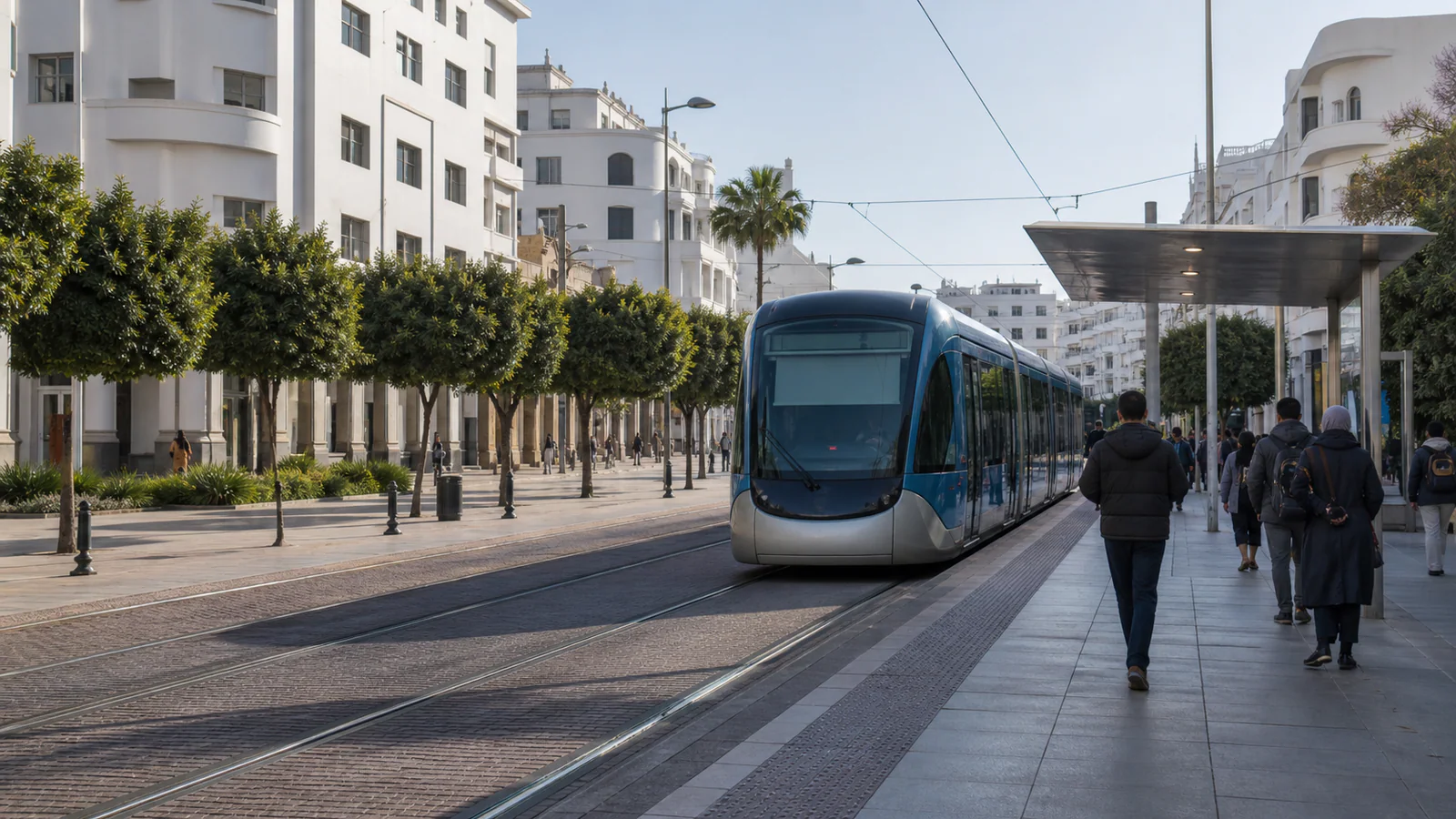
The Rabat–Salé tram is useful for central movement and crossing toward Salé. Check the official tram route planner for live stops, timetables and ticket information.
Buy and validate the correct ticket, keep it until the journey ends and do not assume the tram reaches every monument door. It often reduces a journey rather than replacing the final walk.
Petit Taxis
Petit taxis are useful for short urban hops, especially between Hassan Tower, the Udayas and Chellah. Ask your accommodation about the current meter and fare procedure, carry small cash and use a clearly identified vehicle.
Share a recognizable landmark rather than only a small guesthouse name. When returning to a medina riad, use the nearest agreed gate or square.
Grand Taxis and Intercity Travel
Grand taxis serve longer or shared routes. Departure points and pricing structures differ by destination. Confirm whether the price is per seat or for the whole vehicle before leaving.
For planned intercity travel, train is often clearer. Use a grand taxi when the destination or schedule makes it genuinely useful, not simply because someone at the station says every train is full.
A Relaxed Two-Day Rabat Plan
This is a framework, not a minute-by-minute itinerary.
Day One: Historic Rabat
Start at Hassan Tower and the Mohammed V Mausoleum. Move to the Kasbah of the Udayas, then walk into the medina for lunch and Rue des Consuls.
In the late afternoon, choose the Bouregreg, a central cafe or a short modern-city walk. Do not force Chellah into the day if you have a second morning available.
The dedicated Rabat culture guide explains how the Hassan complex, Udayas and Chellah contribute to the capital’s identity.
Day Two: Chellah and the Modern Capital
Visit Chellah while the weather is comfortable. Allow time for interpretation, gardens, paths and the climb back to the entrance.
After lunch, choose one:
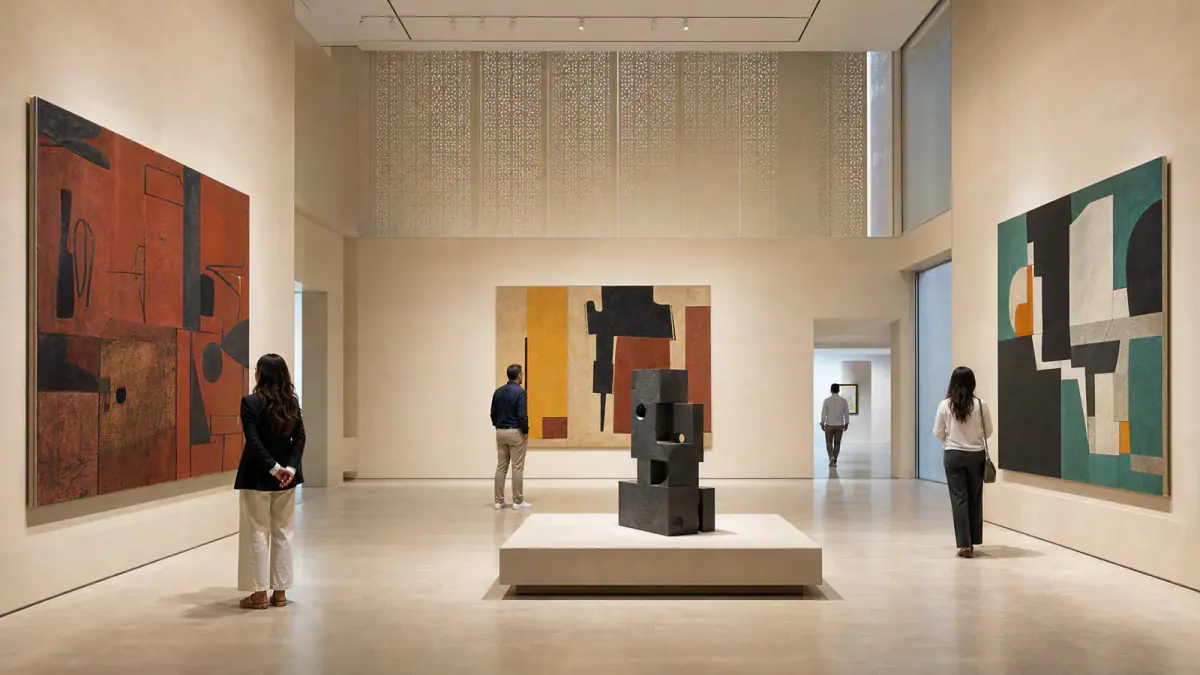
- Mohammed VI Museum of Modern and Contemporary Art;
- central avenues and twentieth-century architecture;
- Agdal cafes and local city life;
- a tram trip into Salé;
- a coast or garden visit in suitable weather.
Finish near your hotel or departure station. The second day should reveal a different Rabat, not repeat the same blue-lane photographs.
Main Sights Without the Checklist
Hassan Tower and Mohammed V Mausoleum
These form Rabat’s most important ceremonial ensemble. The unfinished Almohad project and later royal mausoleum create a clear dialogue between different historical periods.
Follow guards, posted access rules and prayer or ceremony closures. Dress respectfully and avoid blocking viewing points.
Kasbah of the Udayas
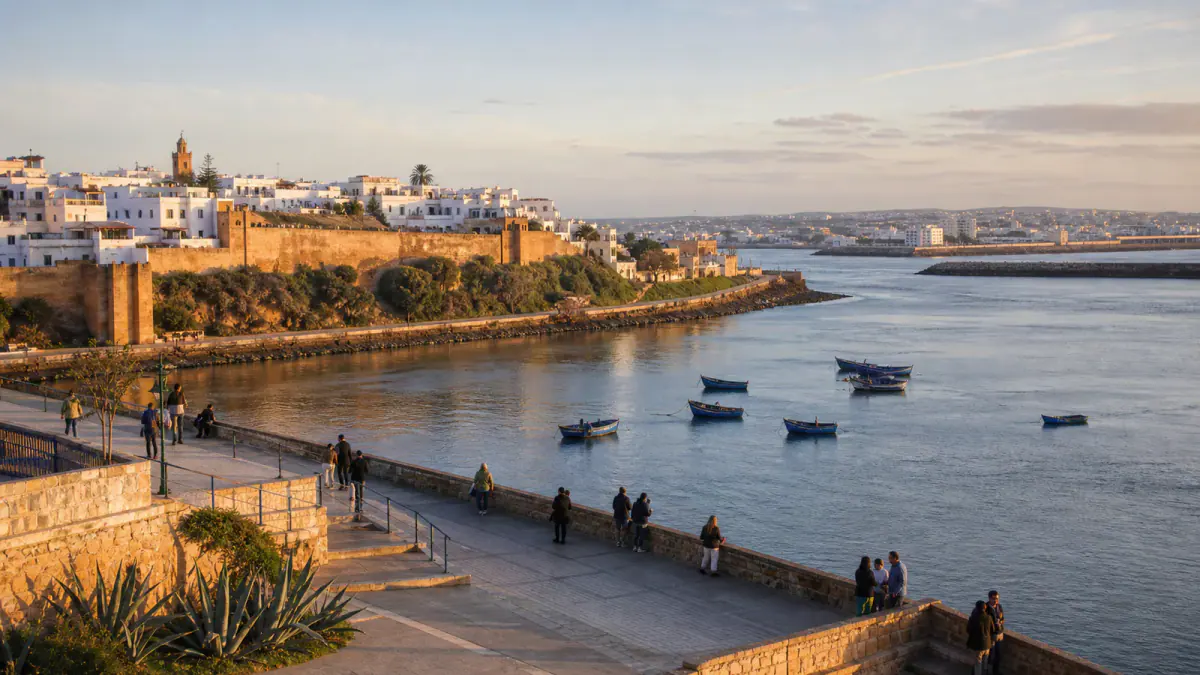
The Udayas combine a monumental gate, residential lanes, Andalusian heritage and views toward the river mouth. People live inside the kasbah; photograph streets respectfully and ask before including residents.
Chellah
Chellah brings ancient and medieval layers into one garden-like archaeological landscape. Paths, slopes, restoration zones and ticket arrangements can change, so check the official venue before visiting.
Medina and Rue des Consuls
Rabat’s medina is good for a less pressured introduction to Moroccan urban markets. Rue des Consuls offers an easy line through craft shops, but smaller side streets and food areas show more of daily life.
The official tourism office’s Rabat medina page provides cultural context for the medina, Udayas, Hassan Tower and Chellah.
Modern Museums and Gardens
Rabat’s modern heritage is not secondary. Museums, the Ville Nouvelle and public gardens explain the city’s twentieth-century role. Check current exhibitions and closure days directly with each institution.
Rabat’s Coast and the Bouregreg
The river and Atlantic change the city’s pace, but “coast day” can mean several things.
The Bouregreg is best for promenades, river views and understanding the relationship between Rabat and Salé. The Atlantic side brings stronger wind, surf and open horizon. Beaches farther along the coast may require more transport and should be chosen according to season, water conditions and facilities.
Do not plan swimming from a generic photograph. Check local warnings, flags, lifeguard coverage and weather on the day. Ocean conditions can be rough even when the sun is out.
For many visitors, the best coastal experience is a walk and meal rather than a beach day.
Food and Cafes
Rabat offers traditional Moroccan restaurants, modern cafes, bakeries, seafood and everyday neighborhood dining. The city is well suited to travelers who prefer long lunches over high-energy night markets.
Try food according to context:
- Moroccan breakfast at a riad or local cafe;
- a simple medina lunch;
- fish or seafood where turnover is strong;
- pastries and coffee in the modern city;
- a reserved traditional dinner when the dish needs preparation.
Visible pricing, steady local use and good hygiene matter more than a restaurant claiming to be secret. Seafood should be fresh and clearly priced before cooking.
Our guide to traditional Moroccan dishes explains common names such as tagine, pastilla, harira and Moroccan salads.
Best Time to Visit Rabat
Spring and autumn usually provide comfortable walking weather. Summer is tempered by the Atlantic compared with inland cities, but sun and humidity still matter. Winter can be mild by day and cool, rainy or windy after dark.
Pack for variation:
- a light wind layer;
- shoes that handle wet paving;
- sun protection;
- a warmer layer for winter evenings;
- modest clothing for mausoleums and religious areas.
Large festivals, official events and holidays affect accommodation and traffic. Check current dates rather than assuming an annual event always falls in the same week.
Rabat for Families and Accessible Travel
Rabat can be easier for families than denser medinas. Parks, broad central streets, trams and shorter historic walks provide useful breaks.
Challenges remain:
- uneven paving and steps in the Udayas;
- slopes and paths at Chellah;
- vehicle restrictions near some riads;
- long distances between districts;
- wind and limited shade on exposed walks.
Travelers with limited mobility should stay near reliable vehicle access, ask venues about current step-free routes and build the day around fewer clusters. A museum and central-boulevard day may work better than combining the Udayas and Chellah.
Day Trips and Onward Travel
Salé
Salé is the closest extension and should not be treated as merely a Rabat suburb. Cross by tram or another current local connection, allow time for its medina and return before turning the visit into a rush.
Casablanca
Casablanca is easy by train, but it works better as an onward stop than a same-day return when Hassan II Mosque and city architecture are important. Check mosque tour access and train times separately.
Fes
Rabat to Fes is a natural rail progression: modern capital and coast followed by a dense historic medina. Our practical Fes travel guide explains station arrival, where to stay and how many nights to allow.
Tangier
Northbound rail makes Tangier a logical next city. Leave enough transfer time and confirm whether your train departs Rabat Ville or Rabat Agdal.
Common Rabat Planning Mistakes
Treating Rabat as a Half-Day Stop
The headline monuments fit into a half-day; the city’s historic-modern relationship does not.
Walking Every Gap
Use a short taxi or tram ride when it protects time and energy.
Booking the Wrong Station or Airport Assumption
Check Rabat Ville versus Rabat Agdal, and Rabat-Salé versus Casablanca Mohammed V.
Expecting Marrakech-Style Nightlife in the Medina
Rabat’s evenings are calmer and distributed through modern districts, restaurants and waterfront areas.
Ignoring Atlantic Weather
Wind and rain can change a coast-heavy plan. Keep a museum alternative.
Building Two One-Day Itineraries Into One Day
Hassan Tower, Udayas, medina, Chellah, multiple museums, Salé and the beach do not belong in one comfortable route.
Frequently Asked Questions
Is Rabat worth visiting?
Yes, especially for travelers interested in history, modern urban design, museums, a manageable medina and Atlantic atmosphere. It also provides a calmer contrast to larger tourist hubs.
Is Rabat the capital of Morocco?
Yes. Rabat is Morocco’s political and administrative capital. Casablanca is the larger commercial centre but not the national capital.
Is one day enough in Rabat?
One full day covers the essential sights with one afternoon choice. Two nights provide a better experience and allow Chellah or modern museums without rushing.
What is the best area to stay in Rabat?
Hassan near Rabat Ville is the easiest first-time base. Choose the medina for riad atmosphere, Agdal for modern local life and Hay Riad mainly for business or a specific event.
Can you visit Rabat without a car?
Yes. Walking, tram, petit taxis and trains are enough for most visitors.
Which Rabat train station should I use?
Rabat Ville is best for the central visitor areas. Rabat Agdal may suit Agdal, southern districts or a particular train. Use the station shown on your ticket.
Is Rabat safe for solo travelers?
Many solo travelers visit comfortably, but ordinary city awareness still applies. Keep valuables controlled, use lit routes at night, choose official transport and ask accommodation staff for current neighborhood advice.
Final Takeaway
Rabat deserves two nights because its appeal is the relationship between places: an Almohad monument beside a royal mausoleum, an Andalusian kasbah near a modern capital, and a working city opening toward river and ocean.
Stay centrally, verify live rail or airport information, use the tram and taxis strategically, and give the second day a different theme from the first. Rabat may be Morocco’s calm capital, but it is not an empty pause between louder destinations.